Voice of Tangaroa
A podcast series about New Zealand's remarkable and vulnerable marine realm.


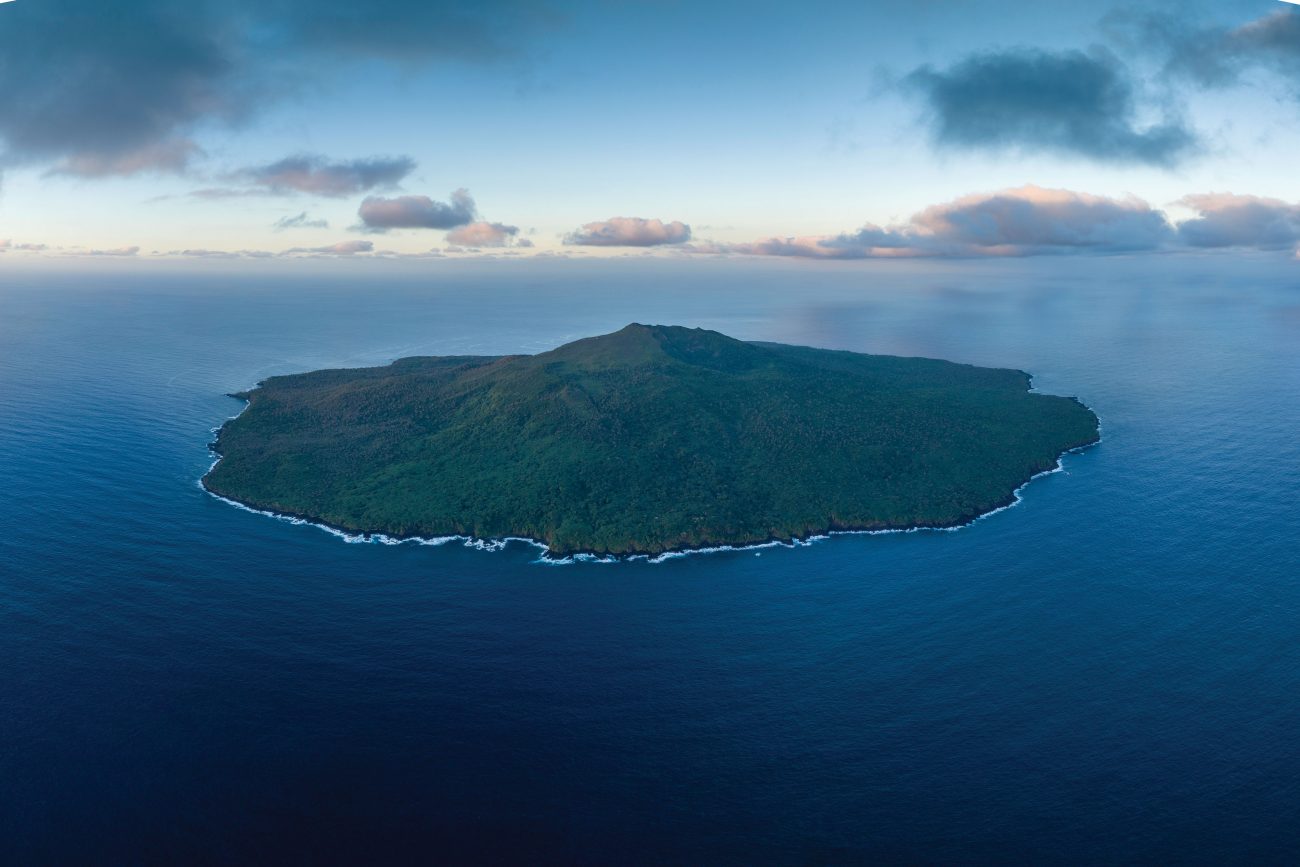
Rat eradication from islands is a team sport. It’s not a competition – but if it were, New Zealand would surely be up there. That’s why on most pest removal teams around the world you can probably find one or two Kiwis right in the thick of things. Click the play button, below. Learn more: Read the accompanying New Zealand Geographic article by Kate Evans, with photography by Richard Robinson. Listen to previous episodes of Voice of Tangaroa. Voice of Tangaroa is a joint production between RNZ’s Our Changing World and New Zealand Geographic. Reporting for this series is Public Interest Journalism funded through NZ On Air. You can learn more and read the articles for free at www.nzgeo.com/seas. The Pacific Regional Invasive Species Management Support Service supported travel costs for this story.
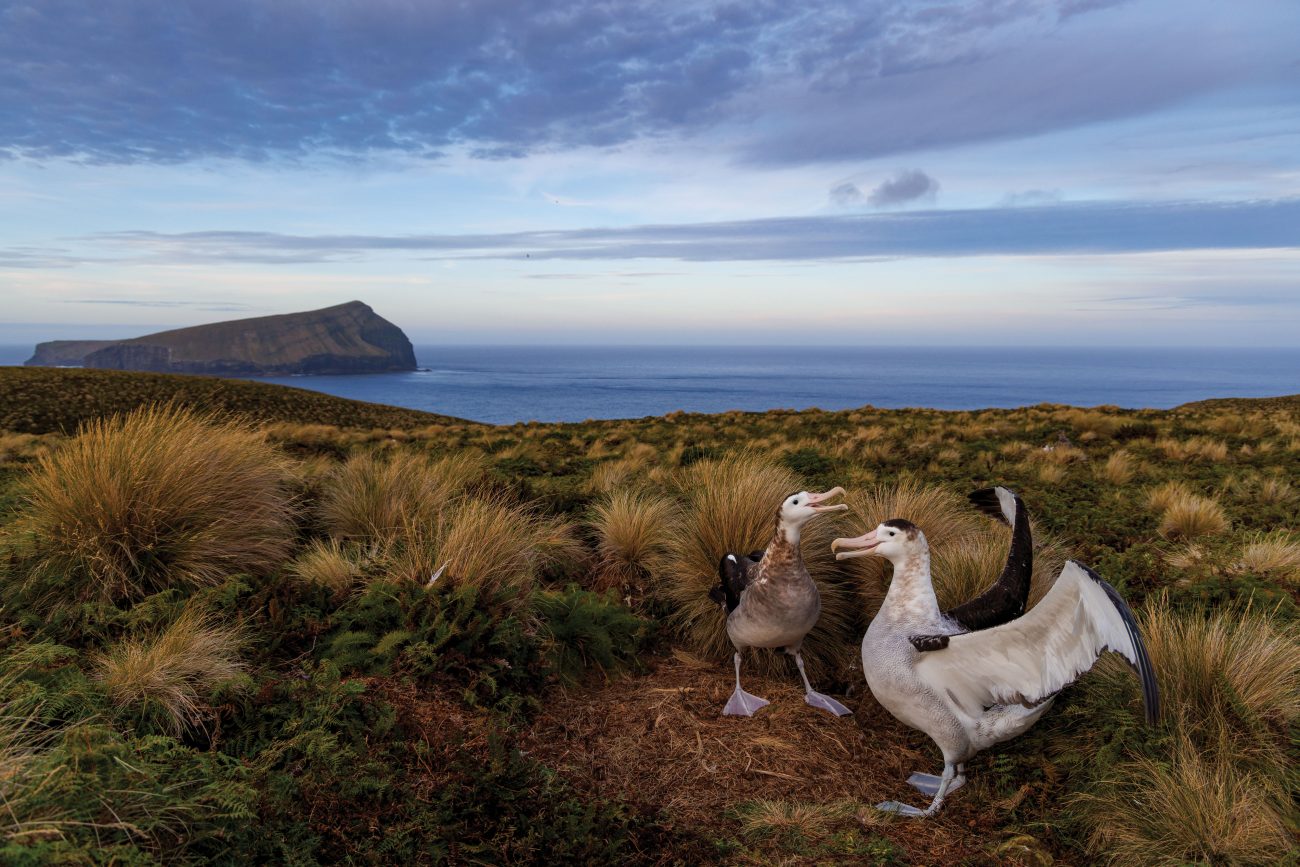
Gibson’s and Antipodean albatrosses are citizens of no one nation. They are ocean birds, living on the wind and waves, travelling massive distances, passing back and forth over the high seas and the imaginary boundary lines we draw on maps. But when they land to chat, to flirt, to lay an egg and raise a chick, they come to two of New Zealand’s subantarctic islands. Three decades of albatross study And when they return some of them with meet with two familiar human faces. Across the last 34 years, Department of Conservation researchers Kath Walker and Graeme Elliott have been visiting these islands to count the birds, and to study them. At first everything seemed fine. In the early 1990s numbers were low but increasing. Things were positive. Then came the summer of 2006/2007. There was a population crash, reason still unknown, and on both islands, albatross numbers plummeted. These albatrosses don’t breed until they at least eight years old, only breed every two years, and tend to mate for life. Since the crash, Gibson’s albatross numbers have come back slightly, but Antipodean albatross numbers continue to decline. And adult birds, especially females, are still going missing. Hooks don’t discriminate Tuna fishing boats use a method called surface longlining to catch their prey. The lines can be up to 100 kilometres long, with thousands of hooks. Squid is used as bait, a tasty morsel for tuna. Unfortunately, albatrosses agree. Using satellite tags Graeme and Kath have watched missing albatrosses’ paths overlap with those of boats, and in one case, in which leg bands and the satellite tag were returned to them, follow the path of the boat. Listen as science journalist Rebekah White explores the albatross bycatch problem, and what we could do about it. Learn more: Read the accompanying New Zealand Geographic article by Rebekah White, with photography by Richard Robinson. Listen to previous episodes of Voice of Tangaroa. Our Changing World has previously interviewed Kath and Graeme about their research: in 2013 and 2009. Learn more about where these albatrosses breed from Our Changing World episodes about the Antipodes Islands, and the Auckland Islands. Voice of Tangaroa is a joint production between RNZ’s Our Changing World and New Zealand Geographic. Reporting for this series is Public Interest Journalism funded through NZ On Air. You can learn more and read the articles for free at www.nzgeo.com/seas. Live Ocean Foundation supported some of the travel costs for this story.
Today, with our ocean ecosystems under increasing pressure from commercial and recreational fishing, sedimentation, pollution, and warming, we need our marine protection to do more than preserve small areas for scientific study.
The Bounty Islands jut out of the water like giant granite fins. Steep and sheer, with no greenery in sight. Covered instead by a mottled white – guano or bird poo from the tens of thousands of penguins and albatrosses that come here to breed. The least studied penguin The Bounty Islands is one of two remote, subantarctic island groups home to the erect-crested penguin. Stout and handsome, with bright yellow crests that look like elaborate punk rock hairdos, their remote breeding sites means they’ve not been studied in depth. But Dr Thomas Mattern of the Tawaki Project plans to change that. Learn more: Listen to the full episode on Our Changing World
To avert the worst of the climate crisis we need to reduce our emissions. One way is to phase out fossil fuels, to leave forms of carbon like oil and gas locked up in the ground. But we can also look at ways to lock up more carbon, long term. And some options for this are in our oceans.
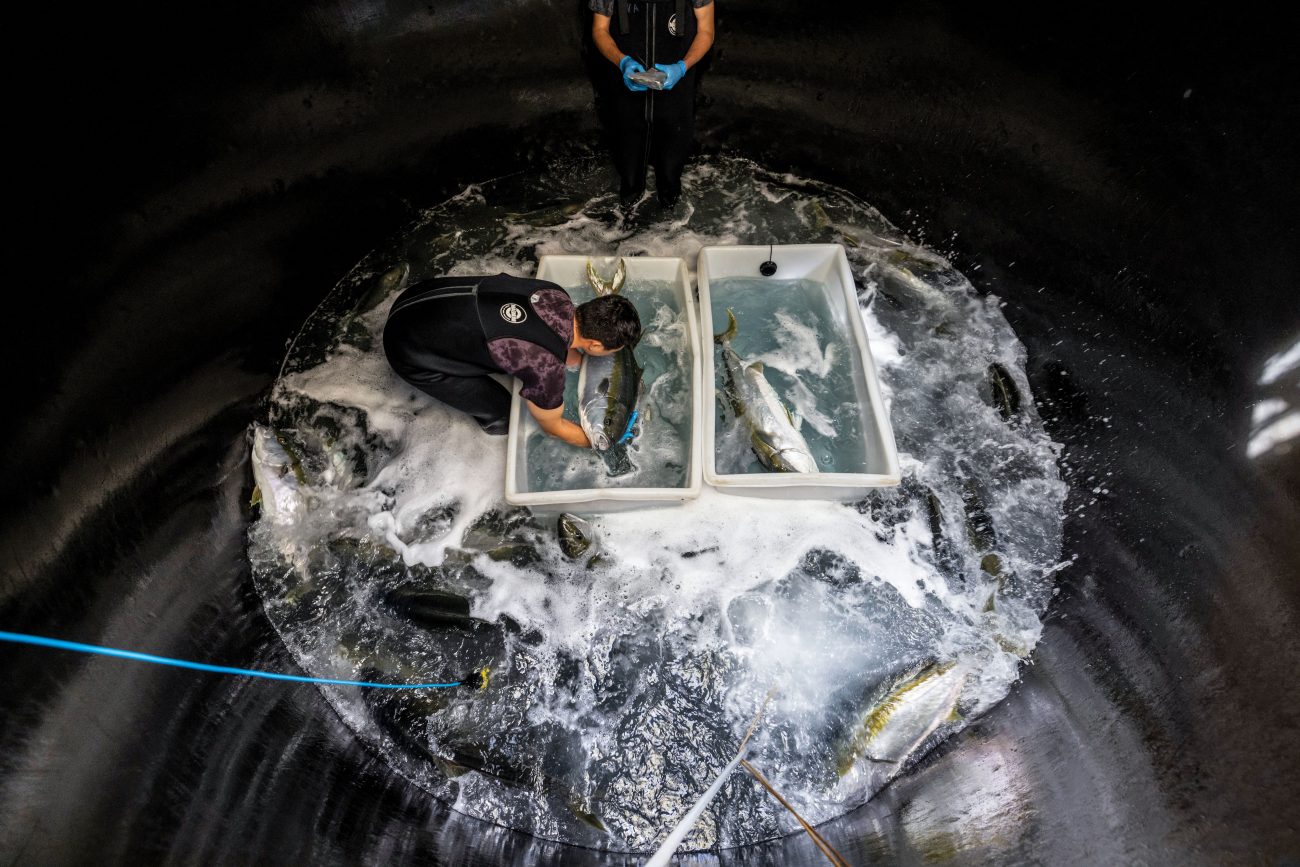
Many of our fisheries are under pressure. At the same time people are eating more fish. Could farming iconic New Zealand species be the future? And what are the advantages of growing fish on land?
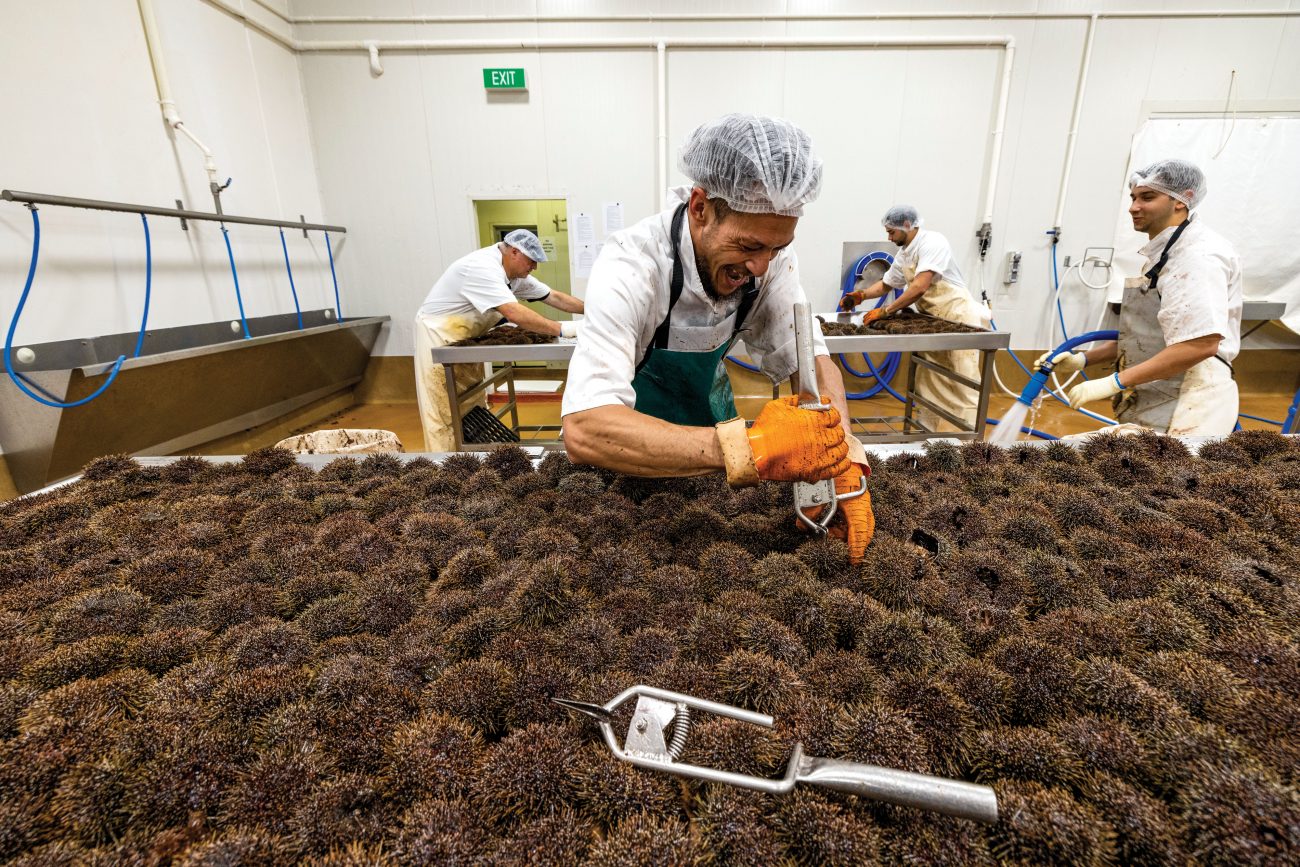
The kina are out of control. As many as 40 urchins crowd into a single square metre of rock, devoid of other life. A kina barren is a symptom of an ecosystem out of balance. Could we eat our way to a solution?
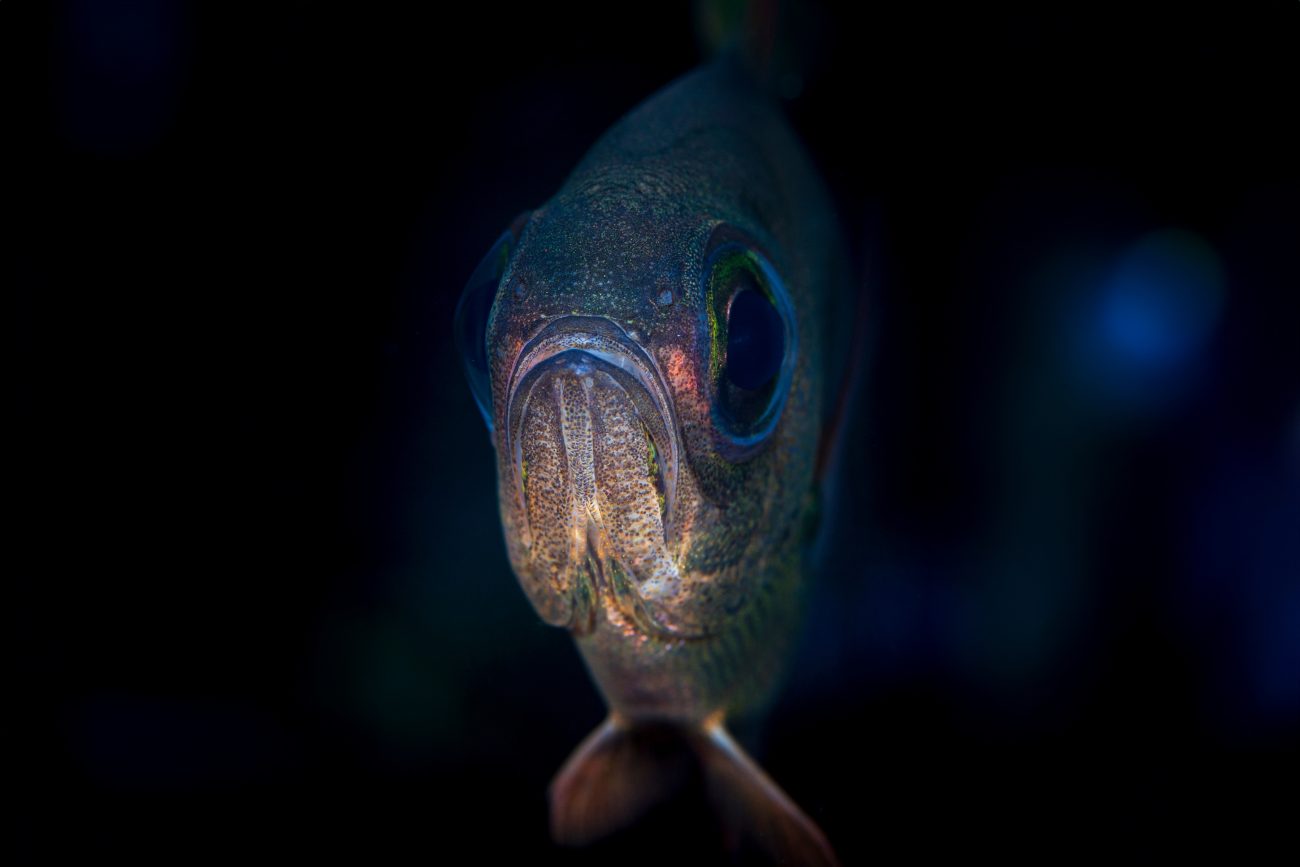
Crackle, pop, woof, crunch, click. Beneath the roar of the surf, an undersea orchestra is in full swing.
Loading..

3
$1 trial for two weeks, thereafter $8.50 every two months, cancel any time
Already a subscriber? Sign in
Signed in as . Sign out

Ask your librarian to subscribe to this service next year. Alternatively, use a home network and buy a digital subscription—just $1/week...

Subscribe to our free newsletter for news and prizes