We need your help
New Zealand Geographic has been an icon of environmental journalism for 35 years, but times are changing, and we need your help to survive.
It seems like every day brings bad news. Our planet is on fire, or flooding, or infected, or in recession. It’s tiring. As if to add to the existential stress, the media sector is now forecasting its own death. But this is also a time when we can take proactive steps to decide what’s important, and what we want for our future.
Over the next few weeks I will be taking the unusual step of opening our finances and forward plans so that readers can be involved in the future shape of New Zealand Geographic and the role our journalism plays in the public conversation. I hope this paints a picture of where we’re at, where we’re going, and how you can help.
Before I start, however—thank you. Thank you for reading NZGeo, and for caring enough to read this story.
[chapter-break]
My first feature for New Zealand Geographic, in 2005, was about Auckland’s Pakistani community, told from the perspective of taxi drivers. I attended mosques, chatted with drivers in their cabs, cheered on the Pakistan Sports Club cricket team in the grand final (all taxi drivers, they lost) and sipped chai in New Lynn.
It was a bright window into a new world, and an introduction to the format that has set New Zealand Geographic apart for 35 years. Here was space to tell a story in a creative and entertaining way. Whole spreads given over to photography. You could tackle any subject you liked, so long as it revealed something true and important about our society or environment.
In 2008 I became editor. And then, in 2011, the owner. (No link with National Geographic, which is owned by Disney. We’re a Kiwi family with two kids and a wandering golden retriever trying to fix up an old house in Birkenhead.) It took another eight years to make ends meet, but it’s always felt worthwhile—at their best, stories like these can usher in new ways of seeing the world, and behaving.
[chapter-break]
“So how’s it all going at NZGeo?” People used to ask me this question cheerfully. We had won Magazine of the Year a record seven times. Readership was up. The internet was helping with marketing but not denting sales.
Recently, however, my mates tend to wince as they ask me, like they’re enquiring about the health of a grandmother. Subscriptions have returned to pre-COVID levels and retail sales are soft. Advertising is holding up, but it’s harder than ever.
Print costs have increased 50 per cent in the past five years. Postal costs have tripled in the past 10. Though the magazine is our most popular product, the economics of print are getting challenging.
Most surprising, however, is that digital media is now even harder. Our website receives about a million visitors a year, and the Ministry of Education subscribes on behalf of every student in every school. But traffic coming from social media sites like Facebook and Instagram has plummeted, and changes to Google’s algorithm stymie readers coming from search. For the first time, I’m looking at the future with genuine concern.
[chapter-break]
Here’s something that might surprise you. With 387,000 readers (Nielsen-audited readership) New Zealand Geographic is the fourth-most-read magazine on the newsstand. Unlike other magazines that skew old, white and urban, our readership aligns with national averages for ethnicity, location, gender and age—except we have more teenagers; and more Māori and Pasifika read NZGeo than any other magazine, by miles.

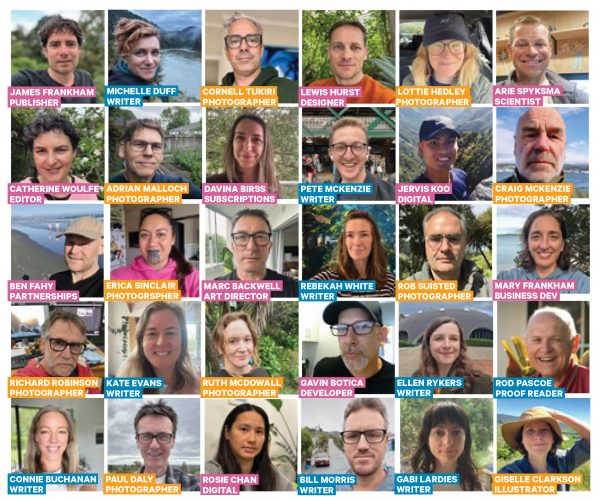
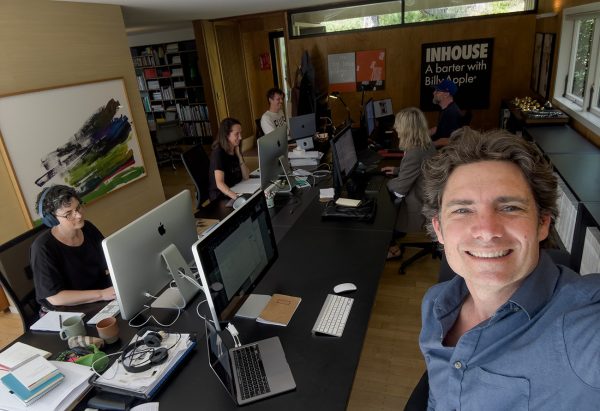
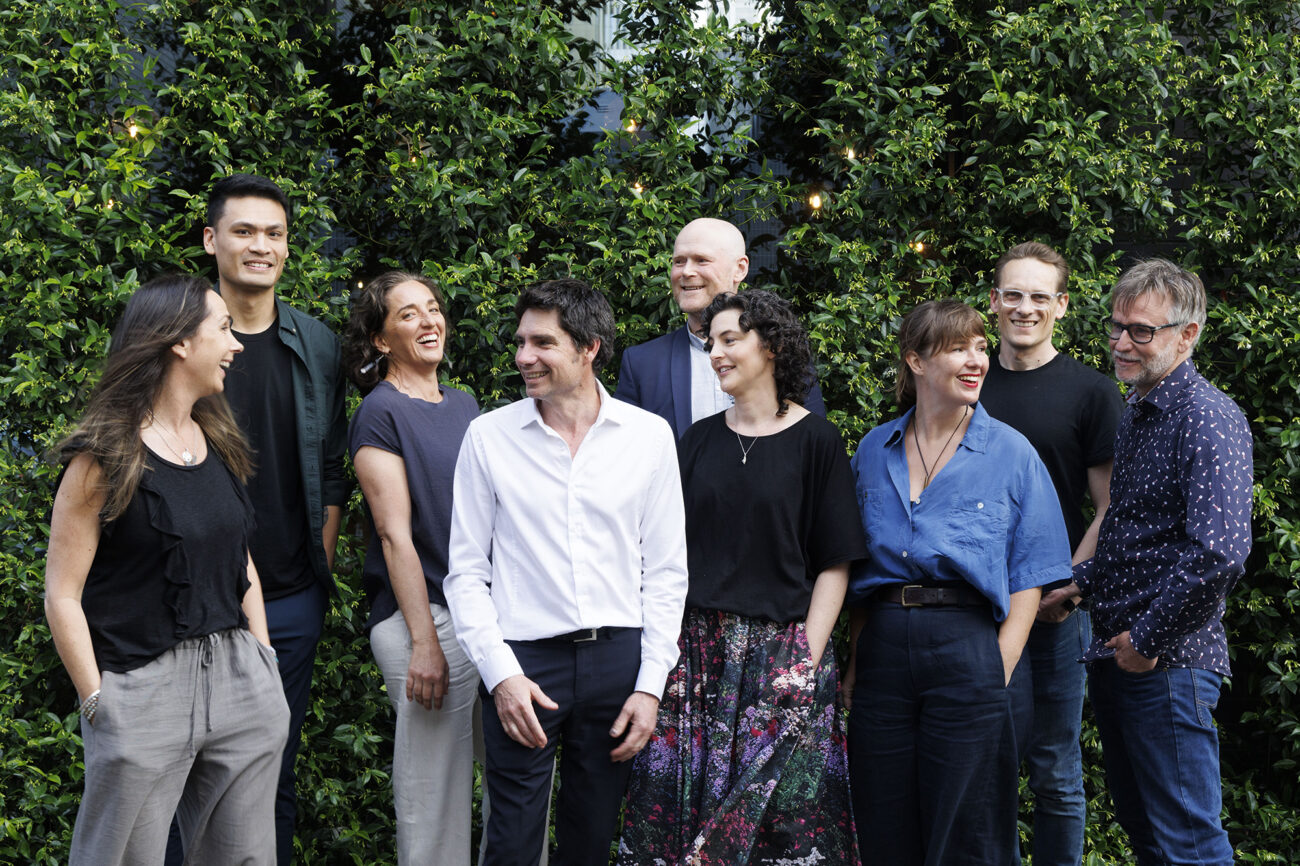
We have two and a half employees, including me, working out of a shared office in Britomart, Auckland. As well as media production, we run workshops and events like Photographer of the Year, produce virtual reality content for schools and universities and have developed new photogrammetric tools to power scientific research in New Zealand and the South Pacific. A handful of contractors work tirelessly for us, and we rely on a galaxy of world-class writers, photographers and scientists who help us tell the story of New Zealand every day.
By 2019, we were frustrated at the lack of action on major environmental and social problems where the evidence was plain, the solutions were obvious and the risk of inaction was high. We decided that we would no longer equivocate and would take a more committed stance that goes beyond simply stating the facts. Sometimes, this includes formal submissions to government—an unusual position for an independent media outlet to take.
Importantly, this doesn’t mean that we abandon objectivity. In fact, NZGeo’s attention to evidence-based reporting has become more acute, and we have become more solutions-focused.
We remain fiercely apolitical, but we can’t abandon the central premise that a functioning society and a strong economy both depend on a healthy environment.
When the government dropped the EV subsidy this year, we had a sudden run of advertising for utes and large SUVs, which we found difficult to square with our journalism. We decided we would no longer accept ads that compromise our climate commitments, a lofty policy which cost us $11,500 on day one. I won’t lie, it hurt a lot at the time.
[chapter-break]
Our readers and subscribers are stakeholders in our future, but we need to start treating you like that. That includes giving you an insight into our income, costs and financial position—something media companies never do—which I will reveal in more detail next week. (Keep an eye on our newsletter, you can sign up here.)
The gist is that we have been profitable for the past five years, but media is changing rapidly and some income sources have disappeared. Flybuys is winding up at Christmas (the source of 15 per cent of our subscriptions) and retail sales are slowing.
From an equity position we have money in the bank and no debt. The books say we’re doing okay, but what keeps me up at night is that we’re short on the one income line that will secure our future: Subscriptions. Print, digital, print-and-digital, it doesn’t matter. All deliver certainty and support investment in the stuff that subscribers want more of—cracking stories that mean something in the corner of the world we live in.
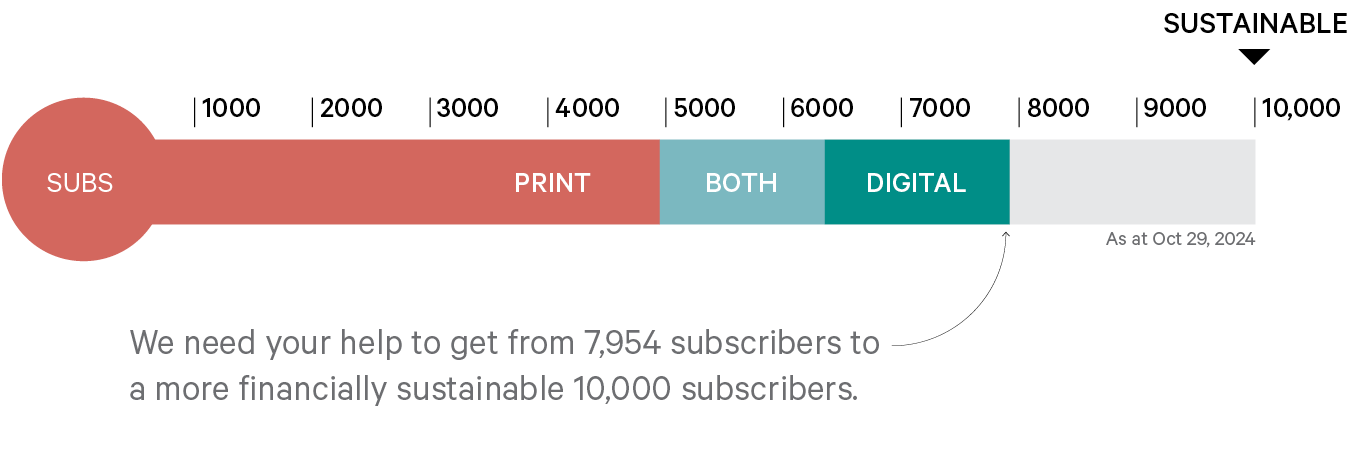
Today we have around 8000 subscriptions—mostly print, but also digital. A quick back-of-envelope suggests we need 10,000 subscribers just to keep doing what we’re already doing. It’s a good goal. And with your support, we can get there before the end of the year.
Next week we will publish a survey asking for your opinions on our coverage and where you think we can do better. We will also reveal our finances and provide more clarity on our advertising and editorial policies.
In the meantime, we’re appealing to readers past and present. The very best way that you can support the future sustainability of our work is by joining the New Zealand Geographic community and subscribing in print, digital or both. You can buy a gift subscription for a friend or loved one for Christmas. Or you can pass on the link nzgeo.com/trial, which allows friends to try a digital subscription for two months for just $1.


Thank you for caring about New Zealand Geographic and the work we do. If you have any questions, drop me a line on james@nzgeographic.co.nz