


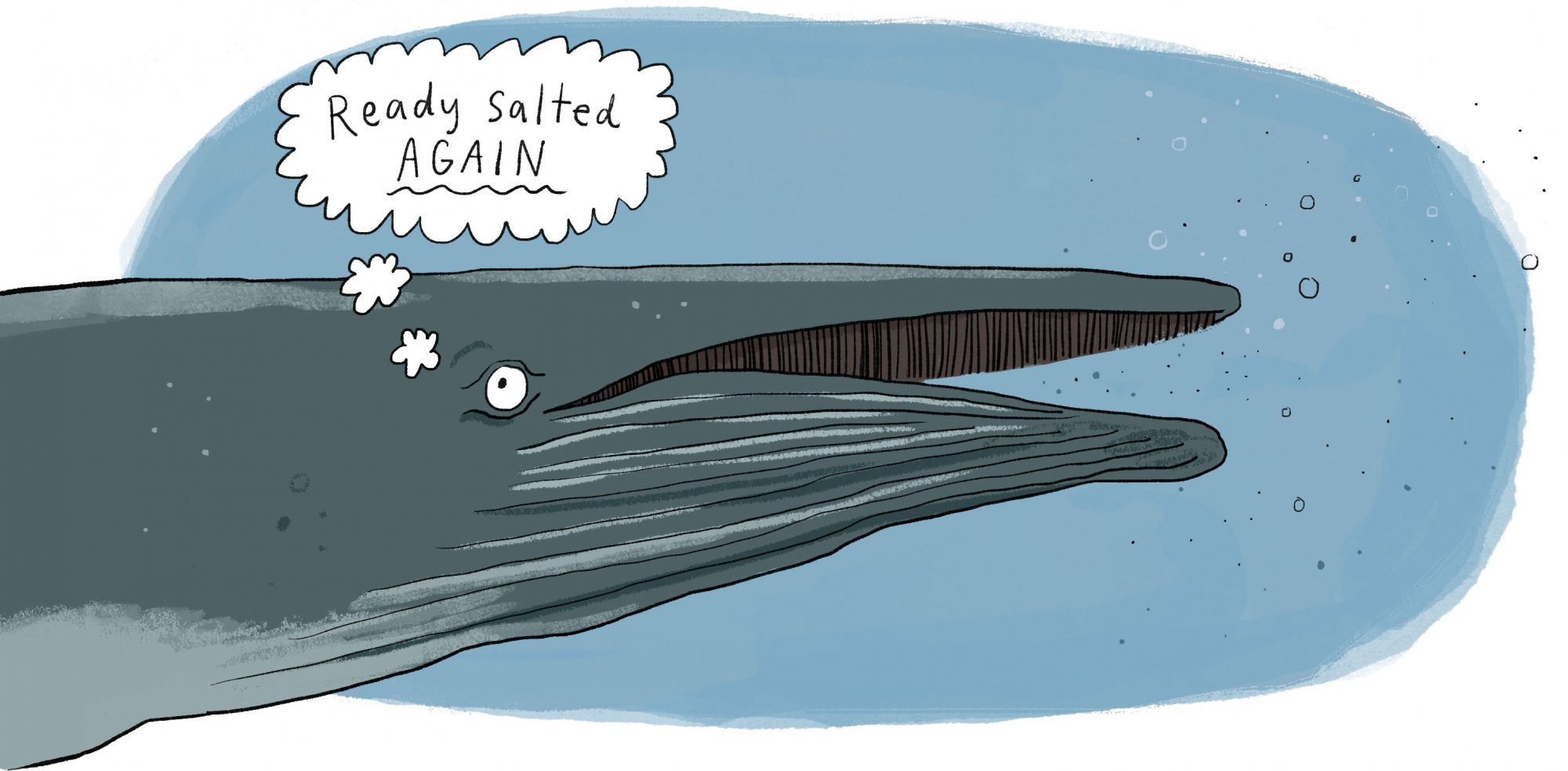
Just so
How did we end up the way we are? Just So looks at the ways the animal world has addressed the fundamental questions of life: How do I tell which foods are good to eat? How do I avoid becoming someone else’s meal? What will impress the ladies… or my fellow hermaphrodites?
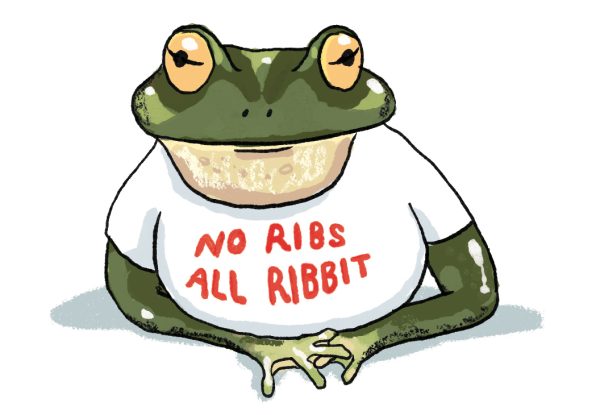
Every breath you take
Oxygen shaped the world as we know it. It’s why we hiccup and why frogs croak. It’s so good that some turtles have learned to suck it in using not just their nose and mouth, but also… another orifice.
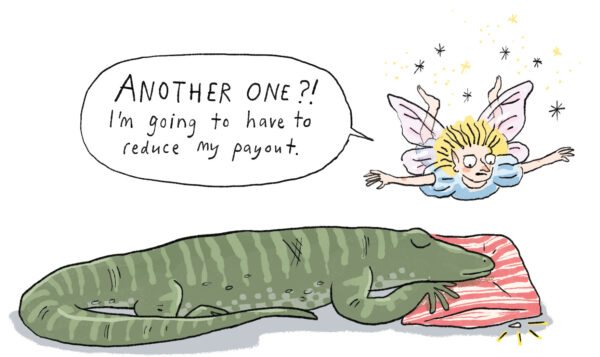
Open wide...
Teeth are extreme: they evolved at roughly the same time as bones, and they’re the hardest thing in the human body. So why are our choppers so sensitive—and expensive?
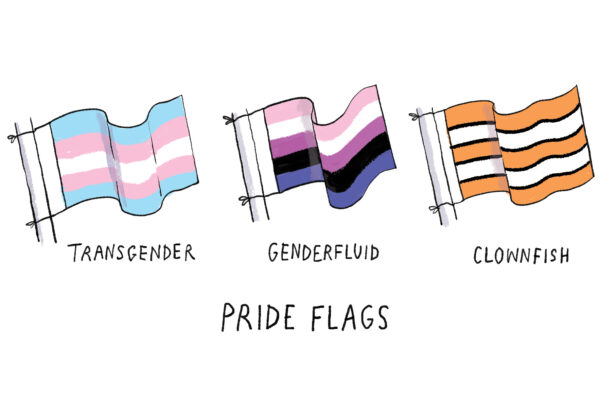
The big swap
Why stick with being male or female your whole life when you could have a go at both?
Hostile takeover
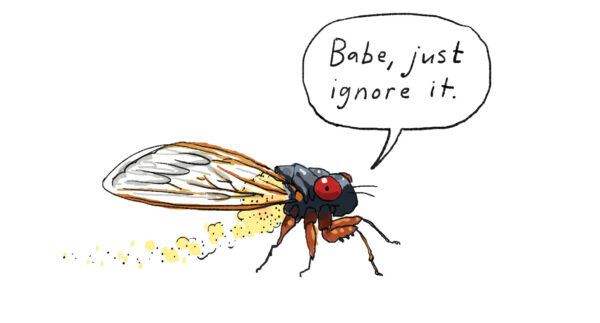
Need a mobile home? An incubation chamber? Dinner? Hundreds of species have hit on an elegant solution: find a nice juicy critter—and turn it into a zombie.
Tails, you win
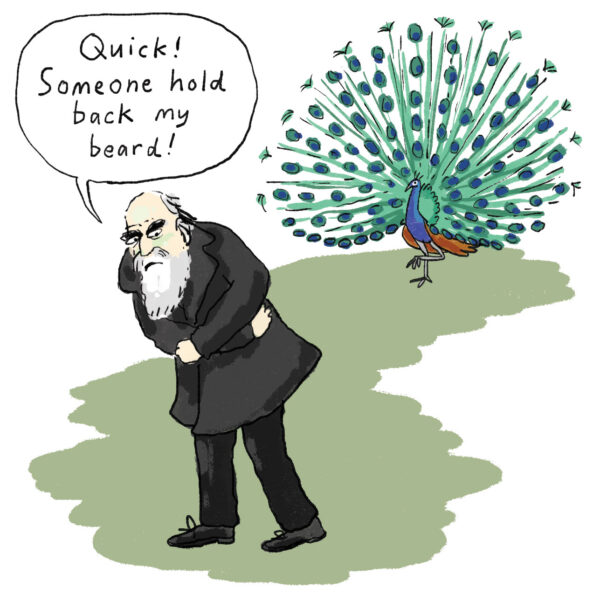
The enviable upsides of having something sticking out of your backside.

What’s the point of all that singing?
What does birdsong mean? Do other animals also sing? Or is song a uniquely human invention?
The selfless gene
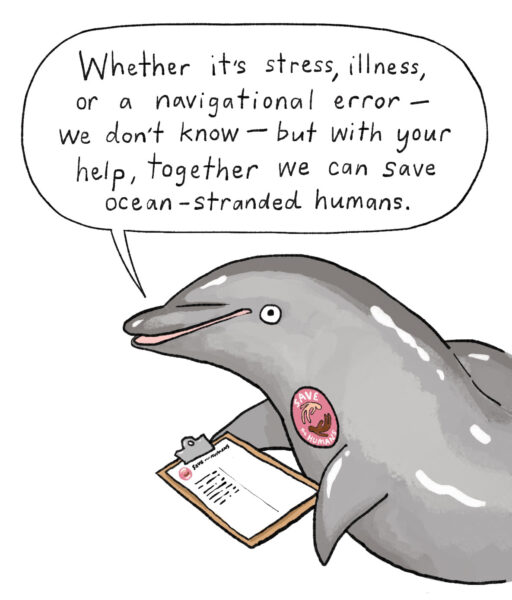
If it’s a dog-eat-dog world, and if nature is red in tooth and claw, why are so many animals nice to each other—and us?
Forget me not
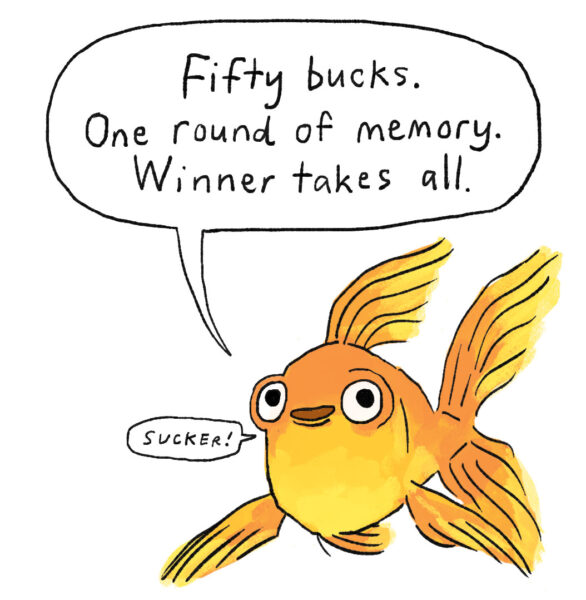
If our memories make us who we are, what’s it like to have a different type of memory entirely? What can animals remember? Do goldfish have a memory longer than three seconds? And can plants remember anything at all?
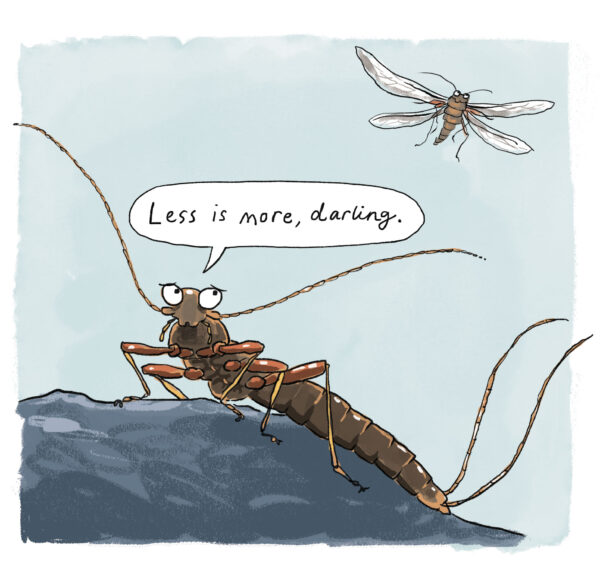
Flight plan
How the animal kingdom first grew feathers—and got off the ground.
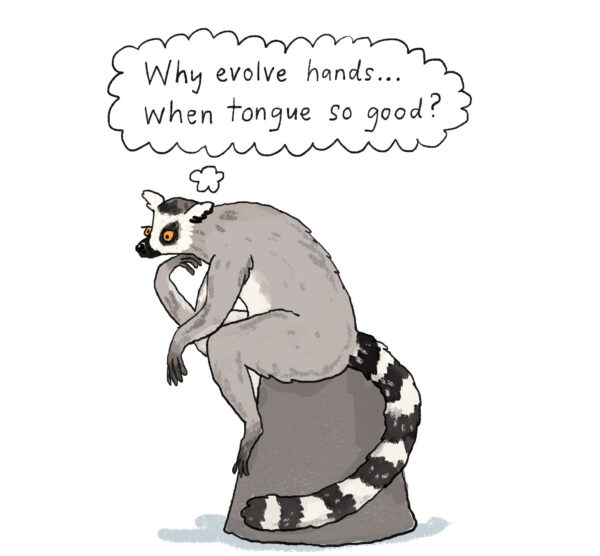
Pick a side
Bees and cockatoos, walruses, spider monkeys, pūkeko—throughout the animal kingdom, individuals often favour a certain hand (or eye, or antenna). But how did so many humans end up right-handed? And why, historically, did we give lefties the side-eye?
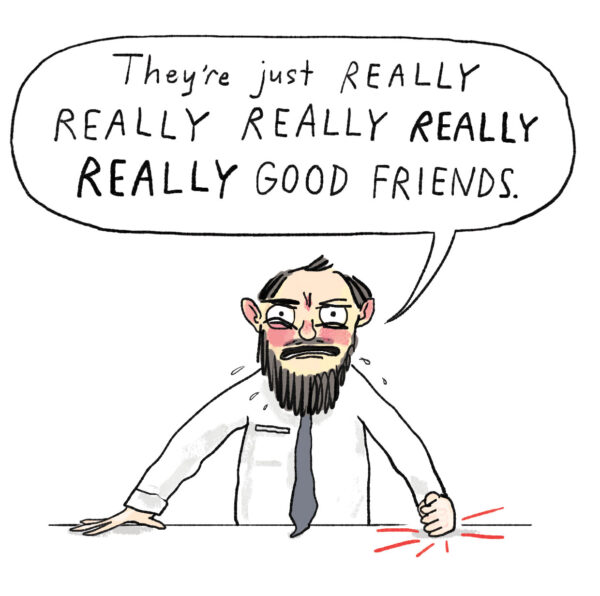
Rainbow world
Nature is queer in tooth and claw.

Why does so much of the natural world get to glow in the dark?
Plants can do it. Fish can do it. Worms can do it. Even single-celled plankton can do it.

So you think you can dance
For a long time, scientists thought that moving to the beat was an act unique to humans.
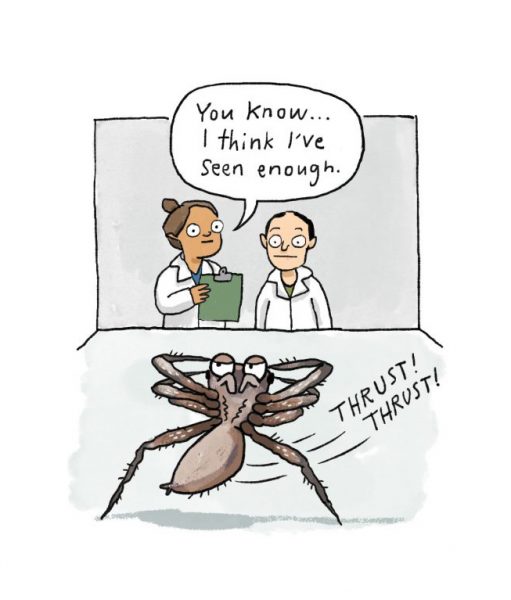
Looking to start a family? Bust a move
Some animals get only one chance to find a mate—and there’s a lot riding on their ability to perform.
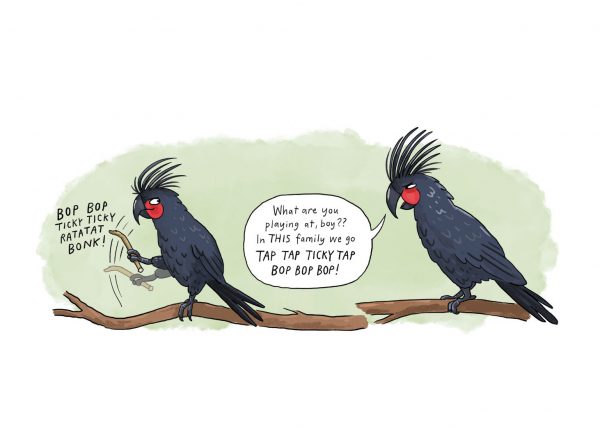
To get a date, cockatoos try drumming
Hitting things with sticks: a failsafe technique for attracting the ladies. Right?
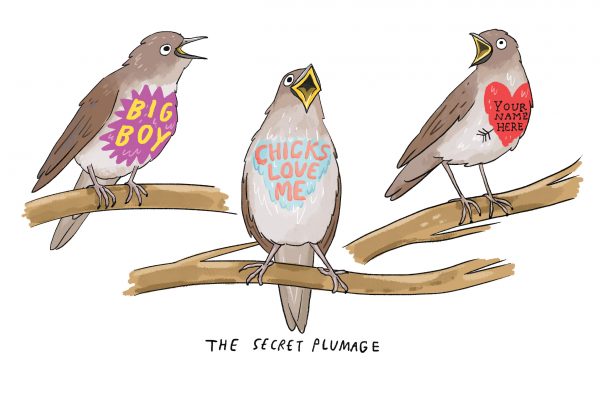
How animals choose what to wear
Sometimes you need to dress to impress a potential mate—or rival. Mostly, you need to fade into the background so you don’t get eaten.

The mystery of the colourblind cephalopods
It doesn’t make sense that octopuses can camouflage themselves so well—because they can’t see any of the colours they’re matching.

Turquoise grasshoppers battle it out
But what has their colour-changing ability got to do with their tendency towards violence?

There and back again
How do animals know where they’re going? Humans have been puzzling over the mysteries of migration and navigation for centuries, and our ideas about it have gone from absolutely wild to only slightly less so.
The power of poo
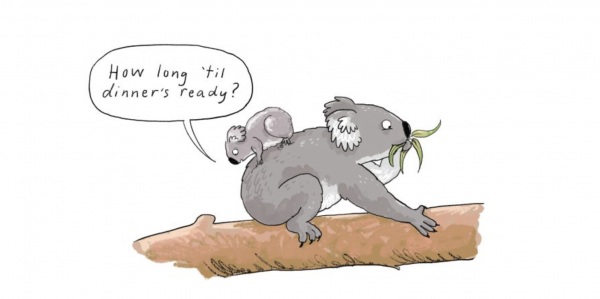
Faeces have a lot to teach us. They can reveal secrets about the lives of extinct animals, and the troubles of endangered ones. Eating dung can give animals a nutrient boost—while in the oceans, a deluge of plankton poo powers the entire carbon cycle.
The teenage animal
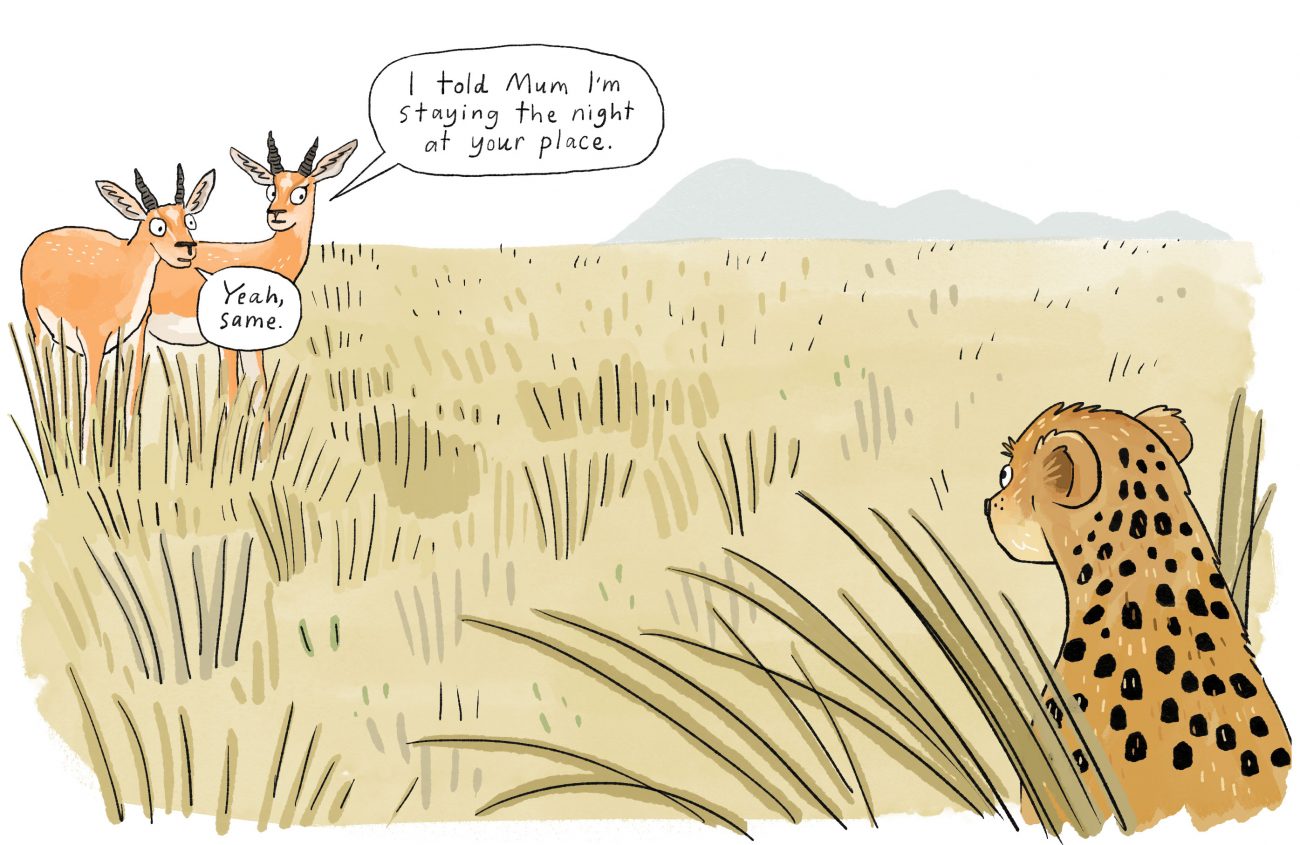
Adults have complained about teenagers since the dawn of time, but it turns out evolution has good reasons for giving adolescents deep-seated social insecurity and a propensity to take silly risks. Just like humans, animals go through ‘wildhood’—a time of experimentation, creativity, danger and learning.
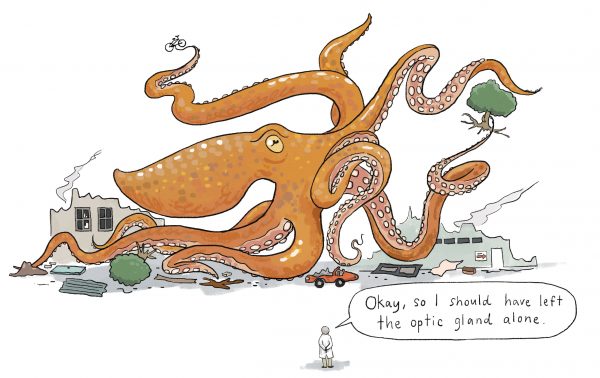
Time of death
Some animals are ephemeral. Others are almost eternal. Some age gracefully, while others self-destruct. Why are some creatures here for a good time, and others for a long time?
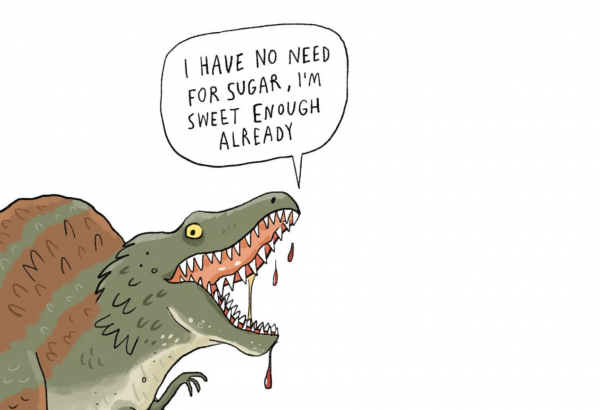
Why can’t I taste with my feet?
Fish taste with their fins. Butterflies taste with their legs. Octopuses taste with everything. Cats can’t taste sugar. So, why do humans taste only with their tongues, when there are taste receptors all over the human body?

Weaponised
Evolution is an arms race writ large—nature red in tooth and claw. With each generation, predators and prey refine their aggressive weapons and defensive armour, while males wield increasingly strange appendages in their battles over mating rights.
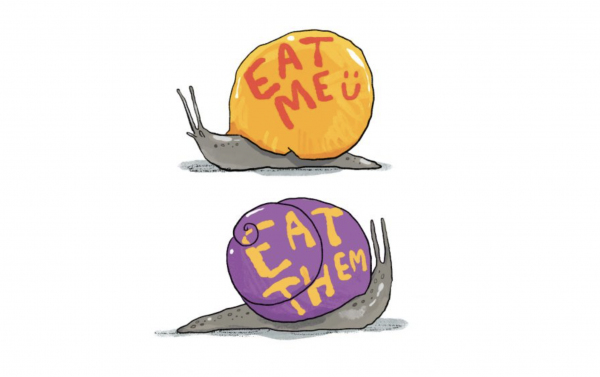
How to be invisible
Moths, sharks, seahorses, stick insects, crab spiders and spider crabs all use different forms of disguise to hide from those who want to eat them—or to better ambush their prey. What can we learn from them?
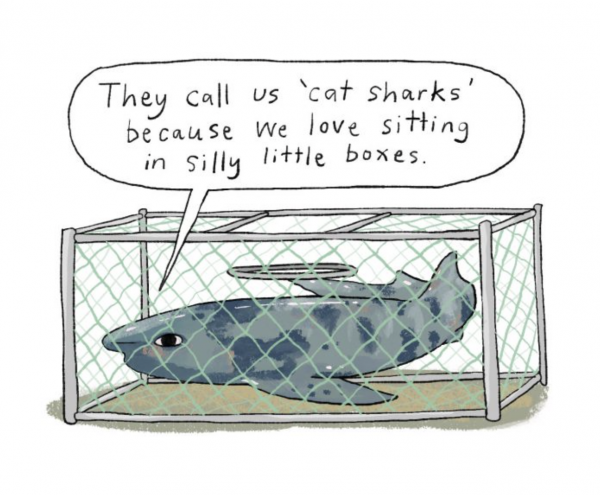
The wildest dreams
Almost all animals sleep—insects, mammals, even jellyfish and sponges. Some of them even dream. But what is sleep for, and how has it shaped us?

Shocked!
Electric eels are living batteries that taser their prey with 860-volt jolts. Sharks use electricity like an extra sense to see fish and sneak up on them. Spiders fly using the atmosphere’s electric charge, and bumblebees and flowers communicate through their personal electric fields. How else does the natural world use electricity?


